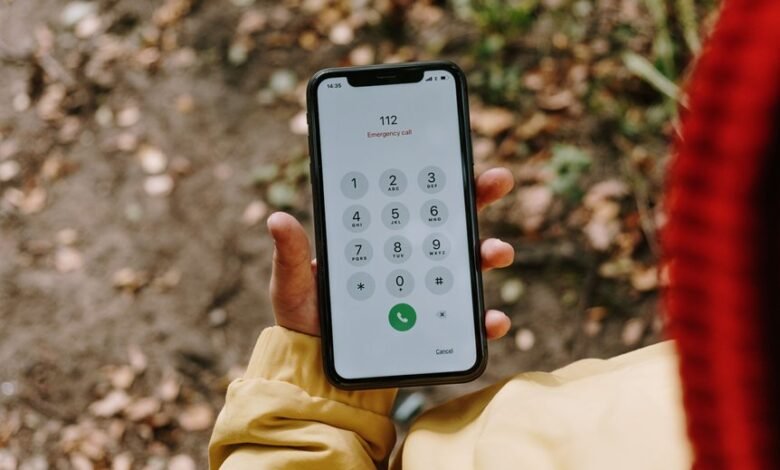
Specifically addressing the pattern around 402-378-9668, the piece outlines common pressures from repeated calls and spoofed numbers. It emphasizes a disciplined, verifiable workflow to judge legitimacy, plus practical blocking and routing measures. The approach favors documented interactions and routine audits to sustain autonomy. The goal is risk reduction and privacy preservation, achieved through transparent practices. A clear path emerges, but the final steps require careful, consistent application to avoid gaps. Further detail awaits.
What the 402-378-9668 Pattern Really Means for You
The 402-378-9668 pattern often signals a common telecommunication issue rather than a single, isolated incident. It indicates recurring attempts to reach or exploit targets rather than random failures.
Understanding this pattern supports broader caller awareness and risk assessment. In this context, recognizing phone scams helps stakeholders evaluate legitimacy, reduce exposure, and preserve operational autonomy while preserving personal freedom.
How to Verify Callers and Messages Without Drama
To verify callers and messages without drama, organizations should implement a structured verification workflow that begins with identifying the source and purpose of each contact.
Verification methods should be standardized, minimizing ambiguity while preserving autonomy.
This approach promotes caller transparency, enabling clear expectations and accountability.
The result is a calmer exchange environment, fostering trust without intrusion or extraneous drama.
Practical Steps to Block, Filter, and Protect Your Info
Practical steps to block, filter, and protect information begin with a clear assessment of contact sources and data exposure.
The approach emphasizes disciplined controls: identify blocked callers, implement trusted filters, enable message verification, and enforce caller safety measures.
Building a Safer Calling Routine for Peace of Mind
A safer calling routine can be established by instituting clear, structured practices that minimize disruption while preserving essential communication. The approach emphasizes privacy awareness and disciplined contact screening, enabling consistent boundaries without sacrificing access.
Caller validation protocols reduce risk, verify identity, and deter spoofing. Documentation and routine audits sustain accountability, while calm, purposeful pacing preserves autonomy and trust in everyday conversations.
Frequently Asked Questions
What Common Telltale Signs Indicate a Scam Call to 402-378-9668?
The signs include scam indicators such as urgent requests for personal data, threats, or payment. Caller verification may fail, spoofing limits appear breached, and contact updates seem inconsistent, prompting skepticism about legitimacy and urging cautious handling of probable scam calls.
Can Spoofing Consistently Fool Caller ID Despite Verification Steps?
Spoofing limitations prevent consistent fooling of caller ID; verification steps expose gaps. Caller ID manipulation can occur, yet security best practices and ongoing scrutiny reduce success rates, though awareness of verification pitfalls remains essential for personal freedom and protection.
Are There Legal Risks to Blocking Seemingly Legitimate Numbers?
Blocking seemingly legitimate numbers can carry legal risks if misused; it hinges on intent and policy. Legal compliance, Privacy implications, scam indicators, caller ID spoofing awareness, trusted contacts, and data breach response shape prudent, transparent blocking decisions for freedom.
How Often Should I Review Trusted Contacts for Updates?
The reviewed cadence should be quarterly, with mid-year audits. A cautious approach uses a defined review cadence and periodic contact verification to maintain trust, while preserving user autonomy and flexibility in managing trusted contacts.
What Steps to Take if I’M Targeted by a Data Breach?
A siren and silence juxtapose as the data breach unfolds; the party responds with calm, deliberate steps: data breach response measures, audit records, credit monitoring, and notification. Personal data protection remains the ultimate compass for freedom.
Conclusion
Conclusion:
The 402-378-9668 pattern signals a need for disciplined verification rather than reflexive action. By documenting interactions and routing unclear calls through standardized checks, users gain predictable outcomes and reduced interruptions. An estimated 46% of spoofed calls are identified only after a verification step, underscoring the value of a transparent workflow. Implementing robust blocking, caller validation, and routine audits transforms noisy contact points into trusted channels, delivering calmer communication and enhanced privacy.